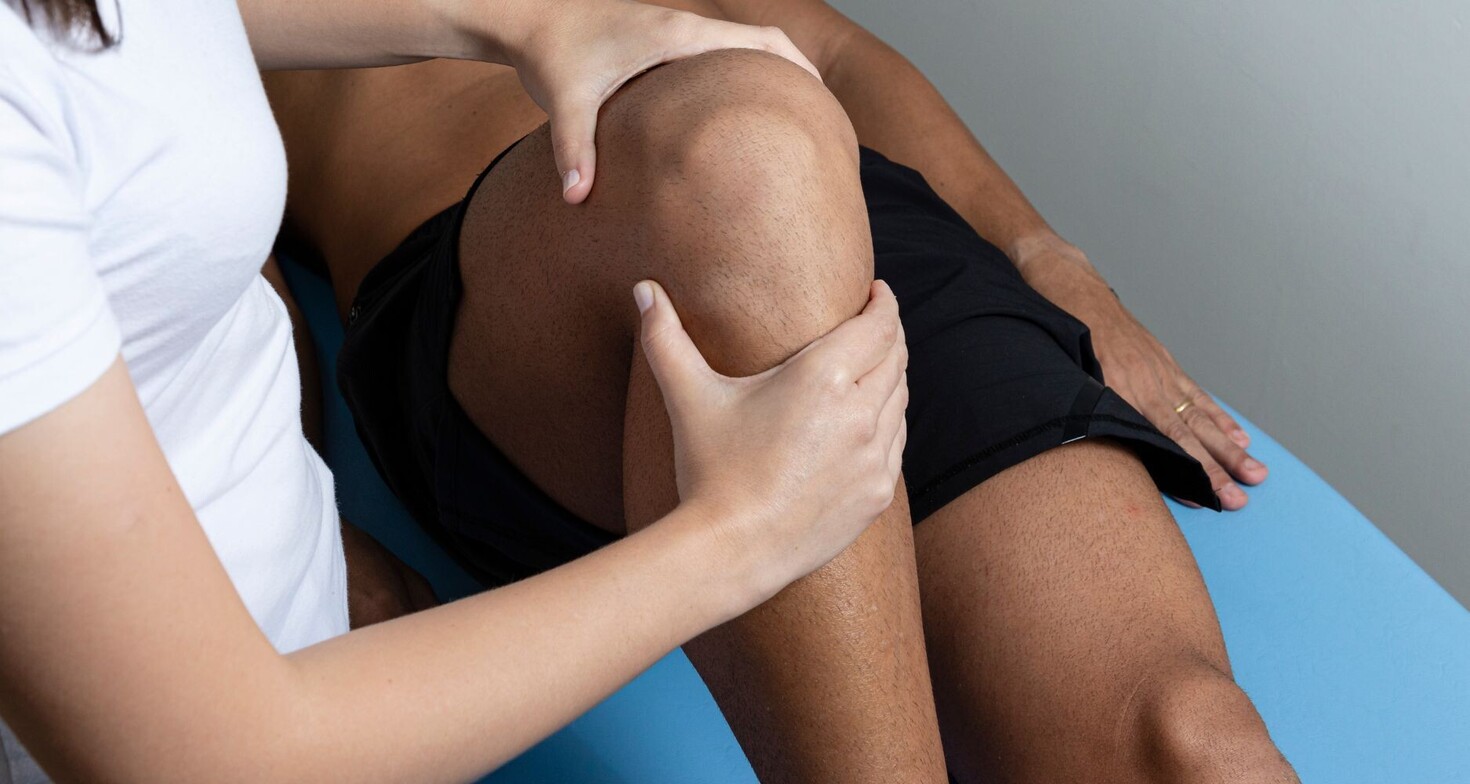
If you have been dealing with knee pain that builds during a run and lingers long after you stop, you are likely already familiar with how frustrating runner's knee can be. It creeps up gradually, seems to ease with rest, and then comes right back the moment you lace up again. The good news is that physical therapy for runner's knee is one of the most effective treatments available, and it addresses the root cause rather than just masking the discomfort.
At Towson Integrative Health, we work with runners and active adults in the Towson area who are tired of being held back by knee pain. Here is what you need to know about runner's knee and how we can help.
What Is Runner's Knee?
Runner's knee is the common name for patellofemoral pain syndrome (PFPS), a condition characterized by pain around or behind the kneecap. It develops when the kneecap stops tracking smoothly through the groove in the femur during movement, causing irritation to the surrounding tissues and cartilage over time.
Despite the name, you do not have to be a competitive runner to develop it. People who hike, cycle, squat frequently, or spend a lot of time on stairs can experience the same pattern of knee discomfort. That said, it is one of the most common injuries seen in runners of all levels, from beginners building their first base to seasoned athletes increasing their mileage.
What Causes Runner's Knee?
Runner's knee is rarely caused by a single incident. It typically develops from a combination of factors that place repeated stress on the kneecap and surrounding structures:
- Hip and glute weakness -- When the muscles around the hip and pelvis are not doing their job, the knee compensates by absorbing more load than it should
- Tight muscles -- A tight IT band, hip flexors, or hamstrings can pull the kneecap off its normal tracking path
- Training load spikes -- Increasing mileage or intensity too quickly is one of the most common triggers
- Foot mechanics -- Overpronation or poor arch support can shift forces up the kinetic chain to the knee
- Running form issues -- Stride length, cadence, and hip drop during the gait cycle all influence how load is distributed through the knee
This is why a thorough movement assessment is such an important first step. Without identifying which factors are driving your specific case, treatment becomes a guessing game.
What Does Runner's Knee Feel Like?
The symptoms of runner's knee can range from a mild nagging ache to sharp knee pain that stops a run in its tracks. Most people describe:
- A dull, aching pain around the front of the knee that worsens with activity
- Knee discomfort going down stairs, hills, or after prolonged sitting with the knee bent
- A feeling of grinding, clicking, or general stiffness in the knee joint
- Pain that improves with rest but returns when activity resumes
- Swelling or tenderness around the kneecap in more irritated cases
One of the most telling signs is the pattern -- it tends to be activity-dependent and location-specific. If your pain is centered around the front of the knee and follows the pattern above, runner's knee is worth investigating with a qualified physical therapist.
How Long Does Runner's Knee Recovery Take?
Runner's knee recovery time depends on how long the condition has been present, how severe the irritation is, and most importantly, whether the underlying movement issues are being addressed.
Mild cases caught early can respond well within 4 to 6 weeks of consistent rehabilitation. More established cases, particularly those where the pain has been present for several months, can take 3 months or longer to fully resolve.
Research consistently shows that structured exercise-based rehabilitation -- particularly programs that include hip strengthening alongside knee-focused work -- produces significantly better and more lasting results than rest alone. The goal is not just to feel better. It is to fix the mechanics that caused the problem so it does not come back once you return to running.
How Physical Therapy Helps With Runner's Knee
Physical therapy for runner's knee takes a comprehensive, movement-based approach that goes well beyond symptom management. At Towson Integrative Health, our physical therapy services are designed to identify exactly what is driving your knee pain and build a treatment plan around your body, your goals, and your activity level.
Movement and gait assessment -- We evaluate how you move, identifying compensations and imbalances that are placing excess stress on the knee.
Hip and glute strengthening -- Weakness in these areas is one of the leading contributors to runner's knee. Targeted strengthening exercises help stabilize the pelvis and improve how forces are distributed through the lower limb during activity.
Quad and VMO training -- The vastus medialis oblique, a small but critical muscle on the inner quad, plays a key role in keeping the kneecap properly aligned. Restoring its strength and function is often central to recovery.
Manual therapy and soft tissue work -- Hands-on techniques help release tight muscles, improve joint mobility, and reduce pain during the early stages of treatment.
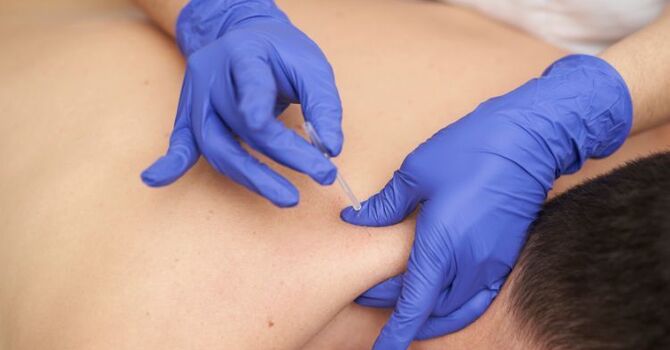
Dry needling -- For patients with significant muscle tightness or trigger points contributing to their knee discomfort, trigger point dry needling can be an effective complement to exercise-based care.
Kinesiotaping -- Kinesiotaping can help offload the kneecap and provide pain relief support while your strength and mechanics improve.
Return-to-running planning -- One of the most valuable parts of knee pain physical therapy is having a structured plan for getting back to your training. We guide you through a gradual return that accounts for where you are in recovery, reducing the risk of re-injury once you are feeling better.
According to the American Physical Therapy Association, exercise-based rehabilitation addressing both hip and knee strength is the recommended first-line approach for patellofemoral pain syndrome. source
When to Stop Waiting and Get Assessed
If your knee pain has been lingering for more than two weeks, keeps coming back whenever you increase your training, or is starting to affect your daily life beyond running, it is time to get a proper evaluation.
Many runners make the mistake of treating runner's knee with rest alone. While reducing load in the short term can calm the symptoms, it does nothing to address the underlying cause. Without rehabilitation, the cycle of pain and return tends to repeat itself.
At Towson Integrative Health, we see runners at all stages, from early-onset discomfort to more persistent cases that have been managed poorly for months. In every case, the earlier you start the right treatment, the faster and more completely you recover.
Ready to stop guessing and start recovering? The physical therapy team at Towson Integrative Health in Towson, MD is here to help you get back to running without pain. Book your appointment today and take the first step toward lasting relief.
Schedule an appointment or call us at 410-867-5351 to get started.
.jpg)