
Carpal Tunnel Syndrome Treatment in Towson
Carpal tunnel syndrome relief in Towson, MD. Dr. Abosh treats wrist pain, numbness, and tingling with chiropractic care, soft tissue work, and ergonomics.
Chiropractic care for carpal tunnel syndrome
Get to the root of your carpal tunnel syndrome
Also known as: Carpal Tunnel Syndrome, CTS, Median Nerve Compression
If you're waking up with numb, tingling fingers — or losing grip strength at a keyboard you've used for years — carpal tunnel syndrome may be compressing the median nerve at your wrist. At Towson Integrative Health, Dr. Paul Abosh helps patients throughout Towson and Greater Baltimore get relief by treating the nerve at the wrist, addressing any contributing neck tension, and fixing the ergonomic habits that started the problem.
Symptoms of carpal tunnel syndrome
- ✓Numbness or tingling in the thumb, index, middle, and ring fingers
- ✓Nighttime hand symptoms that wake you from sleep
- ✓Weakness in grip or dropping things unexpectedly
- ✓Aching or burning in the wrist and palm
- ✓Symptoms that worsen with typing, driving, or holding a phone
- ✓Swelling or puffiness felt in the fingers even when none is visible
Common causes
- Repetitive wrist flexion and extension from keyboard or mouse use
- Sustained grip on vibrating tools or equipment
- Fluid retention from pregnancy, diabetes, or other systemic conditions
- Restricted joints in the wrist, elbow, or cervical spine (double-crush)
- Poor workstation ergonomics and wrist angle during typing
- Inflammatory conditions such as rheumatoid arthritis
- Swelling from a wrist sprain, fracture, or repetitive overuse
Our approach
How we treat carpal tunnel syndrome in Towson
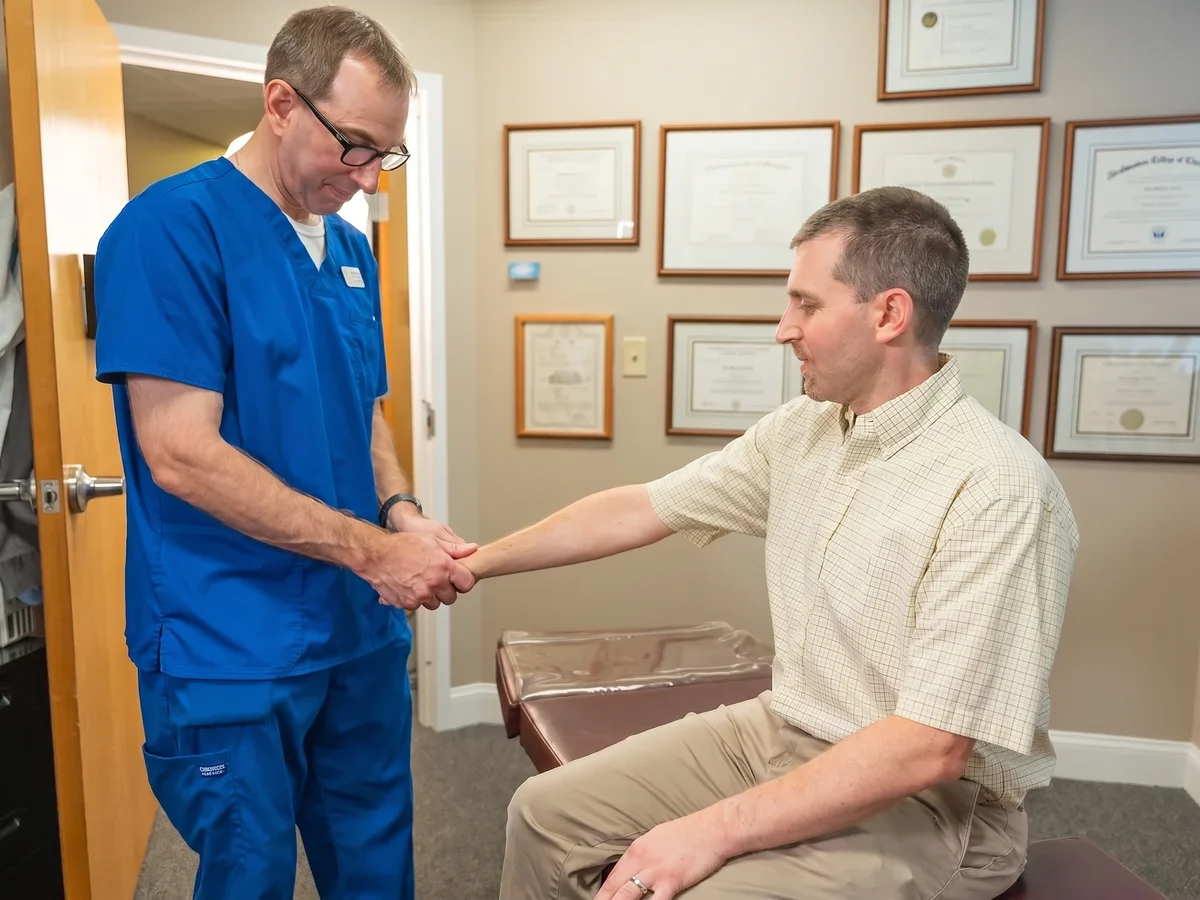
Thorough exam
We assess wrist mechanics, median nerve tension, and cervical spine involvement to map the full picture — then explain what we found in plain English before we begin any treatment.
A clear, personalized plan
You will receive a specific, time-bound care plan that targets the wrist, addresses any neck component, and includes ergonomic guidance — no open-ended treatment.
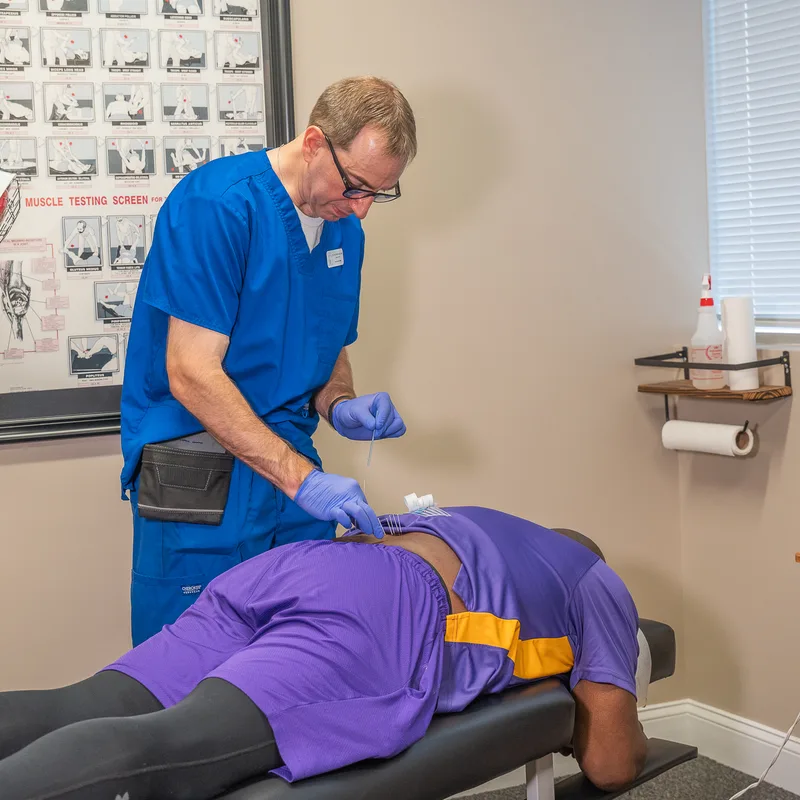
Gentle treatment & rehab
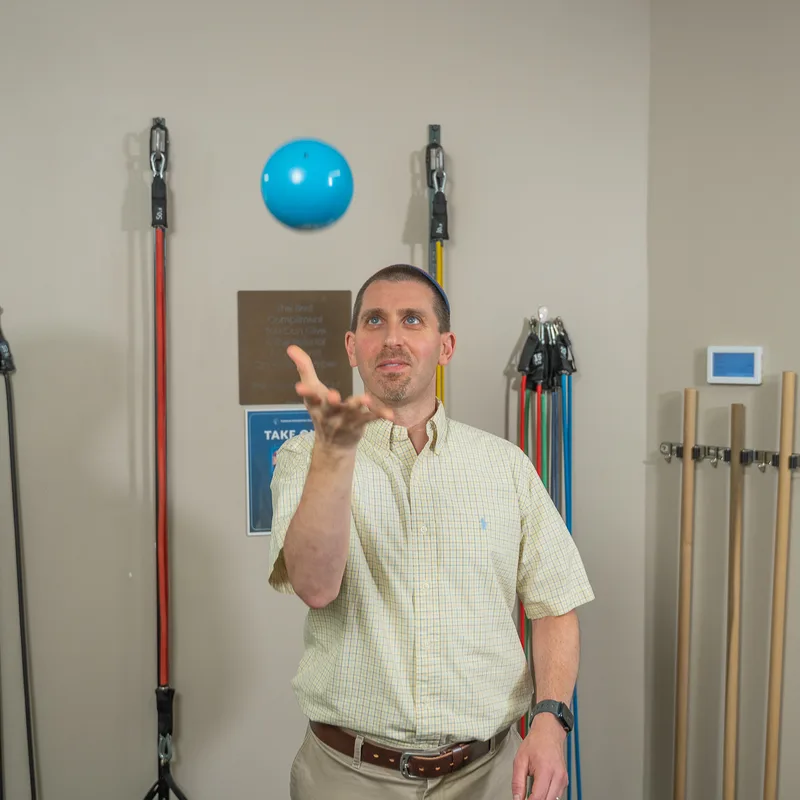
We combine wrist and cervical adjustments, targeted soft-tissue work, and corrective exercise to relieve nerve pressure and build the resilience that keeps symptoms from returning.
The basics
Understanding carpal tunnel syndrome
The carpal tunnel is a narrow passageway on the palm side of your wrist, formed by bones and a tough ligament called the flexor retinaculum. The median nerve — which gives sensation to the thumb, index, middle, and part of the ring finger — passes through this tunnel alongside nine flexor tendons. When repetitive wrist motions, sustained flexion, or swelling narrow the tunnel, the nerve gets compressed and produces the classic symptoms of tingling, numbness, and weakened grip. Repetitive keyboard use, assembly work, and prolonged vibrating tool use are common culprits for Towson-area patients who sit at a desk or work with their hands all day.
What many patients don't know is that the neck can contribute to the problem. A condition called "double-crush" occurs when the median nerve is irritated at two points along its path — the cervical spine and the wrist — making symptoms worse than either site would cause alone. A thorough exam maps both locations so treatment targets the true source. Most patients with mild to moderate carpal tunnel syndrome respond well to conservative care.
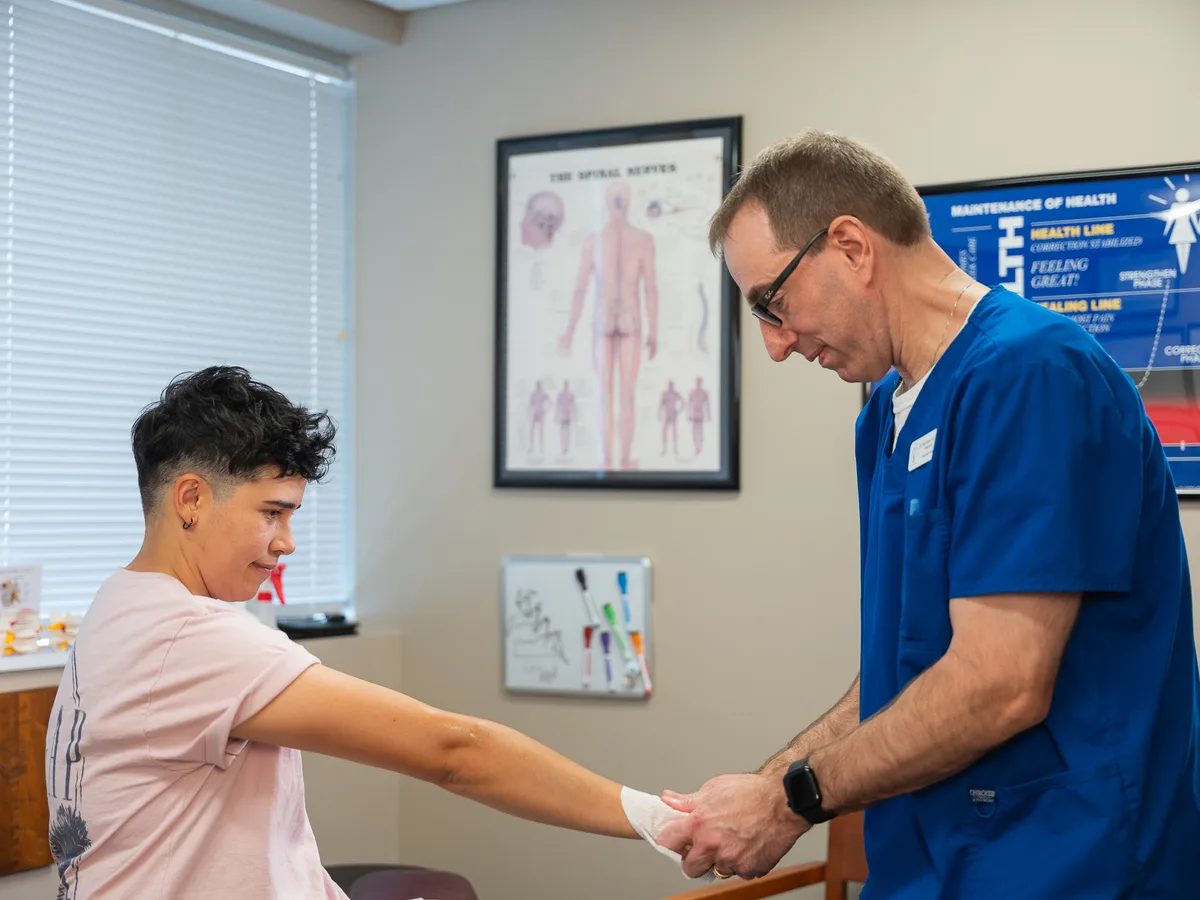
New Patients Welcome
New patients welcome — book your first visit today
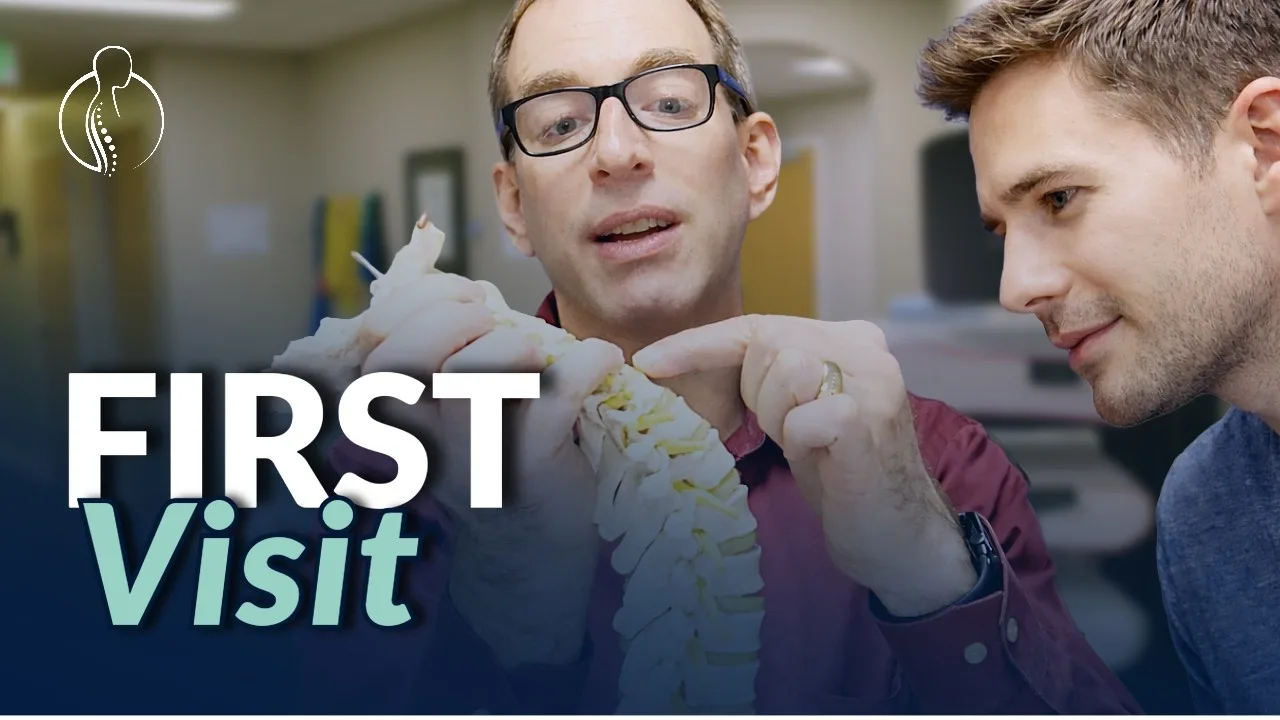
Your first visit is all about you — a one-on-one consultation, a thorough exam, and a clear, plain-language explanation of how we can help, plus a care plan built around your goals.
Types and patterns of carpal tunnel we treat
Carpal tunnel symptoms aren’t identical in every patient. We regularly help Towson-area patients with:
- Classic repetitive-use CTS — driven by long hours at a keyboard or mouse. Wrist and forearm soft-tissue work, ergonomic adjustments, and corrective exercise address both the nerve compression and the habits that caused it.
- Double-crush syndrome — median nerve irritation at both the wrist and the cervical spine. Symptoms are often more severe and don’t fully resolve with wrist treatment alone; see our neck pain and arm pain pages for more on how the nerve runs from neck to fingertip.
- Pregnancy-related CTS — fluid retention compresses the carpal tunnel; conservative care and ergonomic support can reduce symptoms until delivery resolves the root cause.
- Occupational and tool-use CTS — sustained vibration and repetitive grip from trade or manual work. Soft-tissue work and joint mobilization help restore function, combined with advice on grip mechanics and tool use.
- Nighttime CTS — symptoms that wake you from sleep are often the earliest presentation. A neutral wrist brace paired with daytime treatment usually resolves this pattern quickly.
Your exam tells us which pattern fits your situation, so your plan targets the right level — wrist, elbow, neck, or all three.
When to see a chiropractor in Towson
Carpal tunnel symptoms tend to worsen the longer nerve compression goes untreated. Book an exam if you notice:
- Numbness or tingling in your thumb, index, or middle fingers that doesn’t go away
- Waking up at night with hand numbness or the urge to shake your hand out
- Grip weakness or dropping objects that you should be able to hold
- Symptoms spreading up your forearm or arm
- Wrist or hand symptoms that started alongside new neck pain or shoulder tightness
If you experience sudden, severe weakness in the hand, significant thumb muscle wasting, or symptoms after a wrist fracture or dislocation, seek prompt evaluation — these may require imaging or specialist referral beyond conservative chiropractic care.
What to expect at your first visit
Your first appointment is roughly 45–60 minutes and focused on understanding what’s compressing the median nerve before we treat it.
- Listen to your story — when symptoms started, which fingers are affected, what you do for work, and how symptoms change throughout the day.
- Examine thoroughly — orthopedic nerve tension tests (Phalen’s, Tinel’s), cervical screening, and grip strength assessment to find the true source.
- Explain what we found — at your second visit (usually scheduled the very next day), in plain English, with a specific, time-bound care plan and realistic expectations for how long recovery takes.
- Start care when appropriate — most patients receive their first gentle wrist or cervical adjustment on this second visit and leave with ergonomic guidance to use immediately.
You’re never locked into open-ended treatment — just a clear plan with a real finish line.
Natural carpal tunnel relief
Wrist splints and anti-inflammatory drugs can take the edge off carpal tunnel symptoms temporarily, but they don’t correct the joint mechanics, muscle tension, or postural habits compressing the nerve. Surgery cuts the flexor retinaculum to widen the tunnel — a procedure that works for severe cases but comes with recovery time, scar tissue risk, and the possibility of incomplete relief if the cervical spine was also involved. Chiropractic care offers a conservative path that most patients with mild to moderate CTS never need to move past — relieving nerve pressure, restoring wrist and neck mechanics, and coaching ergonomic habits that prevent the problem from returning. If your exam ever suggests surgery is the right next step, we’ll tell you honestly and help coordinate that referral.
Why Towson-area patients choose Towson Integrative Health
Patients from Towson, Lutherville, Timonium, and Cockeysville choose Towson Integrative Health because Dr. Paul Abosh looks at the full picture — wrist, forearm, elbow, and cervical spine — rather than treating the hand in isolation. That matters especially with carpal tunnel, where a missed neck component is one of the most common reasons conservative care elsewhere falls short.
We combine gentle chiropractic adjustments, hands-on myofascial release, and corrective exercise into one coordinated, time-bound plan — so you get relief at the keyboard now and the resilience to stay comfortable long term.
Ready to get started? See what to expect on your first visit, then book an appointment online in under a minute.
Treatment options
Services we use to relieve carpal tunnel syndrome
Chiropractic Care
Gentle, precise chiropractic adjustments in Towson, MD that restore motion to restricted joints and relieve back, neck, and joint pain at the source.
Learn more →Physical Therapy
Personalized corrective exercise and rehab in Towson strengthen weak joints, correct posture, and keep back pain, neck pain, and other joint pain from coming back.
Learn more →Myofascial Release
Myofascial release in Towson, MD — slow, sustained pressure that frees the connective tissue to ease chronic tightness, restore movement, and relieve stubborn pain.
Learn more →Related conditions
Other conditions we treat in Towson
Patient reviews
What our Towson patients say
“Great experience so far has been a month and I am doing better.”
“So knowledgeable , accommodating and super friendly! I highly recommend this office. They have cured me of my feet issues and I will return here for any of my body issues!”
“I have made 100% recovery from my chiropractic sessions. I am back to working out and teaching my exercise classes.”
Carpal Tunnel Syndrome FAQ
What causes carpal tunnel syndrome?
Carpal tunnel is caused by compression of the median nerve inside the narrow tunnel at the wrist. The most common triggers are repetitive wrist motions (typing, assembly work, tool use), prolonged wrist flexion, fluid retention from pregnancy or systemic conditions, and poor workstation ergonomics. In some patients a cervical spine issue contributes to the nerve sensitivity — a situation called double-crush.
Can a chiropractor help carpal tunnel syndrome?
Yes, for mild to moderate cases. Chiropractic adjustments to the wrist, forearm, and cervical spine can relieve nerve compression, reduce inflammation, and restore proper joint mechanics. Combined with soft-tissue work and ergonomic changes, most patients see meaningful improvement without medication or surgery. Severe cases with significant muscle wasting may require a surgical evaluation, and we'll tell you honestly if that's you.
How many visits will I need?
It depends on how long you've had symptoms and whether the neck is involved. After your exam, Dr. Abosh gives you a specific, time-bound care plan with a realistic endpoint — not endless visits. Many patients notice improvement within the first few weeks of care.
What are the first signs of carpal tunnel syndrome?
The earliest signs are usually nighttime numbness or tingling in the thumb, index, and middle fingers that wakes you from sleep, and aching after a long session at the keyboard. If you're shaking your hand to relieve symptoms, that's a classic early warning sign worth getting evaluated.
Is my neck causing my hand tingling?
It might be contributing. Nerve irritation at the cervical spine can mimic or worsen wrist symptoms through a double-crush mechanism. Our exam checks both sites, which is important because treating only the wrist often produces incomplete relief when the neck is involved.
Will my insurance cover carpal tunnel chiropractic treatment?
We accept many major insurance plans and offer affordable self-pay options. Share your insurance details and we'll verify your benefits before your first visit so there are no surprises.
Do I need a referral or a nerve conduction study before I come in?
You can book with us directly — no physician referral needed to see a chiropractor. A nerve conduction study (NCS/EMG) is not required before a chiropractic exam — we perform orthopedic screening tests in-office. If advanced testing would change your care, we'll refer you for it.
Is chiropractic care for carpal tunnel safe?
Yes. We screen every patient thoroughly on the first visit and only begin care once we confirm it's appropriate. Wrist and cervical adjustments are gentle and well-tolerated; we adjust technique to your comfort at every visit.
How do you treat carpal tunnel without surgery?
Conservative care includes chiropractic adjustments to restore joint mechanics at the wrist and cervical spine, soft-tissue and myofascial release work to reduce muscle tension and scar tissue around the tunnel, corrective exercise to strengthen supporting structures, and ergonomic coaching to eliminate the habits causing the compression in the first place.
When should carpal tunnel be referred for surgery?
Surgery is worth considering when symptoms are severe, long-standing, and haven't responded to conservative care — or when nerve conduction testing shows significant median nerve damage and muscle wasting in the thumb. We will tell you honestly when we think a surgical consultation makes sense.
Still have questions? Contact us — we're happy to help.